Found a product in China? Understand what it takes to sell it in your country.
You saw it in a video, at an exhibition, in a catalogue or on a supplier website. Before you spend money, find out who supplies it, what it could cost, what needs checking and how customers would receive it.
Start with research. If the idea is worth testing, we can agree the help you need with suppliers, samples and the next steps. You stay in control of what happens next.
A larger managed study. The quotation defines its depth and deliverables.
The US$49 offer is the standard market report. Managed-service ranges are indicative; you receive an individual quotation. How approval and separate charges work.
Your request and our reply
Tell us what you want to sell—and where.
Share a product or link, your selling country and an email. Add any budget, supplier details, sales channel or deadline you already know.
What happens next?
1The ChinaConnect247 team reviews your product, country and the help requested.
2We reply by email within 1–2 working days to clarify your budget, supplier situation, sales channel and timing.
3Once the brief is clear, you receive a written quotation with deliverables, exclusions, fee and delivery timing.
4You decide whether to approve the proposal. Paid work starts only after your approval and the stated payment arrangements.
The enquiry reply is separate from report delivery. The standard market report typically takes up to 24 hours after scope confirmation; managed reports have their own quoted schedule. Mention an urgent deadline so we can confirm availability.
Whether this is your first import, an existing product or your own brand, these questions help turn an idea into a decision you can explain.
Explore the six questions and what to check
01
Will people buy it?
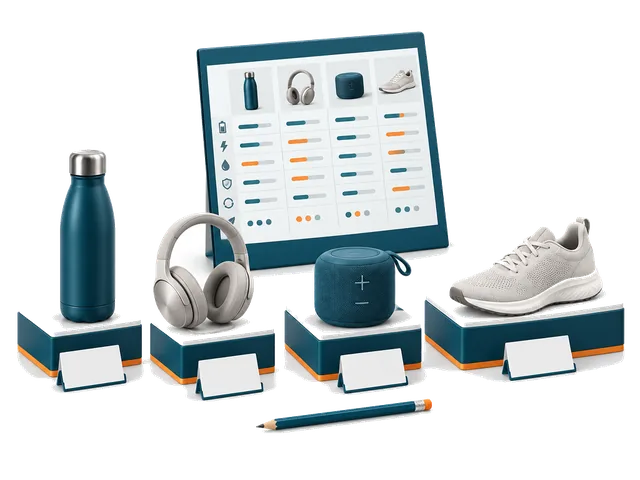
Look at competing products, prices, customer reviews and possible sales channels. Find reasons to test the idea—and reasons to be cautious. Interest in a video is a starting clue, not proof of demand.
02
Who supplies it?
Research real supplier candidates, the evidence behind their company claims and the exact product they offer. If you already have a supplier, start there. A shortlist still needs contact, quotations and sample checks.
03
Can the numbers work?
List the money needed to start, the cost of each order and the costs that keep coming. Compare possible selling prices with shipping, import, storage and sales-channel costs before buying inventory.
04
What needs checking?
Identify product, safety, labelling, import and document questions for your country. Research flags the questions; qualified specialists confirm the requirements and any testing needed.
05
How will customers receive it?
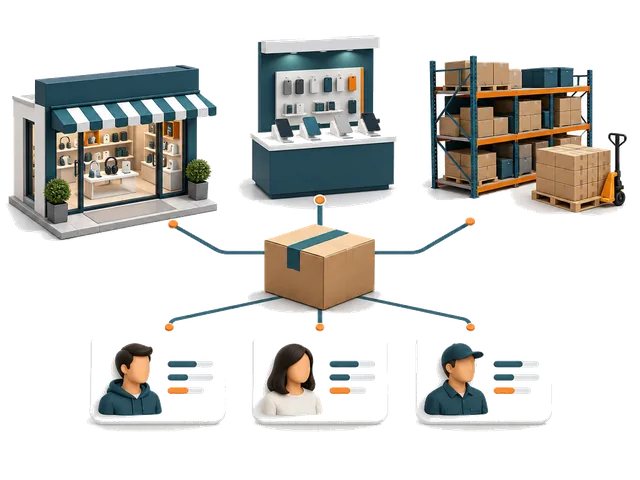
Plan where stock goes, who receives it, how orders are packed and sent, and where returns go. A product is not ready to sell until the delivery route is ready too.
06
What happens after research?
Use the findings to choose your next step: stop, change the product, request quotations, check samples or plan a small pilot. You decide what to approve. You do not have to commit to a full launch.
What you receive
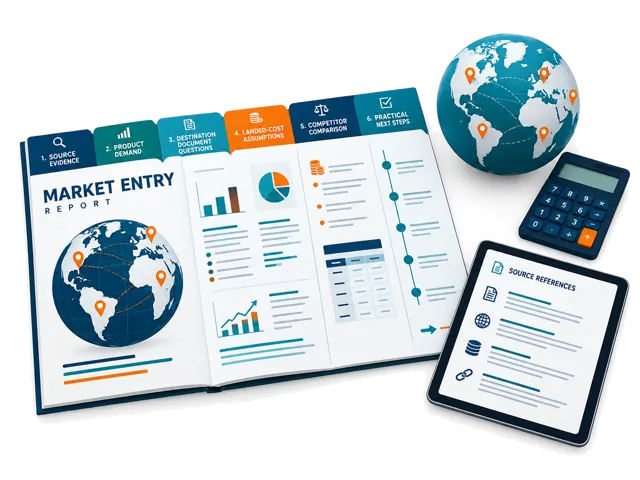
A report you can use to make the next decision.
Research brings evidence, assumptions and open questions together. These examples show what a tailored brief can answer; the offers above identify the areas each report covers.
Explore the research deliverables
The product and the supplier
Product features, specifications and changes that need confirming.
Supplier candidates or your existing supplier, with company evidence and unanswered questions.
The market and the customer
Competing products, observed prices and available market signals.
Themes in customer reviews: common complaints, valued features and gaps.
Possible customers and ways to reach them, such as marketplaces, shops or distributors.
The money and the checks
Starting-budget and per-unit cost scenarios, with the assumptions explained.
Import, product and documentation questions to verify with appropriate specialists.
A decision and a practical plan
Source links, evidence gaps and the limits of what is known.
Next steps and the conditions for testing, proceeding, changing course or stopping.
A useful answer can be “don’t proceed yet.” Research can lead to a smaller test, a different product or stopping. Uncertain findings are identified as uncertain.
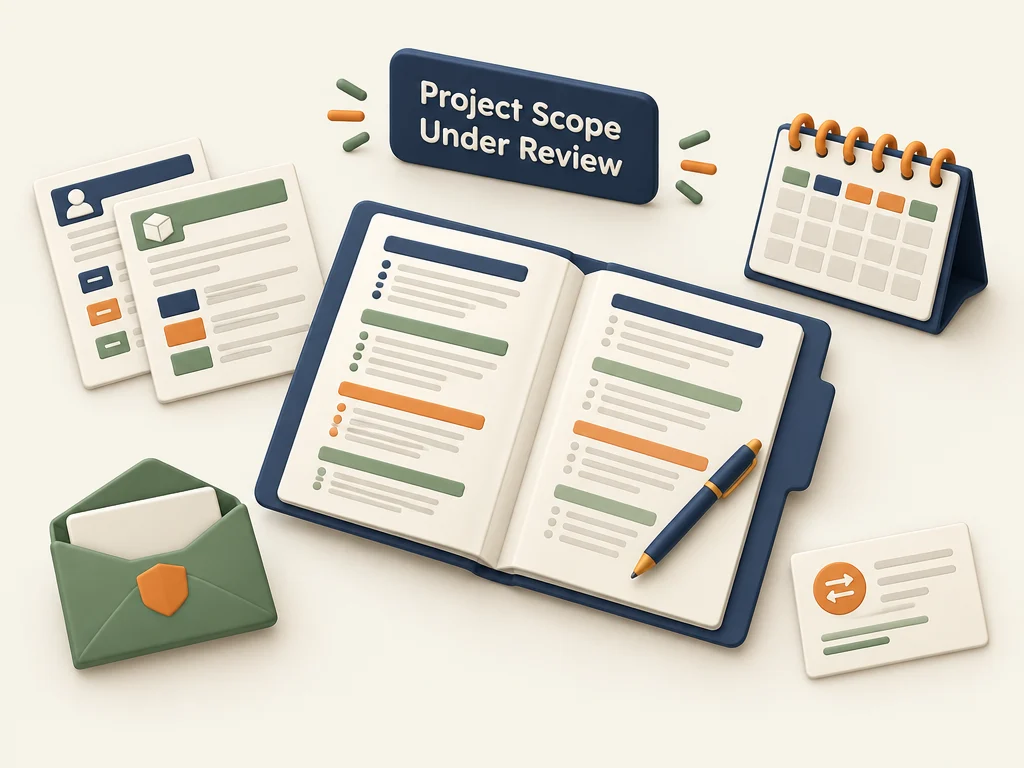
Illustration of the report format. Open the PDF to read the existing research example.
An existing research example
Camera Ear Cleaner — U.S. Market & Commercial Decision Report
China → United States
See how a product opportunity is examined: competing offers, possible sales channels, import questions, costs and the conditions for a sensible test.
Compare the market and possible customers.
Review assumptions about the cost to import and sell each item.
Identify product, document and regulatory questions to verify.
Turn the findings into quotation requests, sample checks and pilot decisions.
Follow the cited sources and compare competitors and cost assumptions.
Review the recommendation and conditions for a pilot before buying stock.
Use “Read Sample Report” above to follow these steps in the actual PDF.
This is research, not a client success story or proof of sales. It does not establish treatment safety, product approval or guaranteed profit. Product-specific requirements and safety claims need qualified verification.
How much will I need?
Plan the starting budget—and what comes after.
The supplier’s product price is only one part of the picture. Separate money needed before launch, costs that keep coming and costs linked to each customer order.
Your product, country, order size and selling channel determine the budget. We use clearly labelled estimates for planning; current supplier and provider quotations confirm costs before you approve spending.
Explore startup, ongoing and per-sale costs
01 · Before your first customer order
Money to get started
Samples and product development
First inventory order
Packaging and brand preparation
Testing and inspection
Shipping, import charges and initial receiving
Some costs happen before sales begin. Stock and shipping also need funding again when you reorder.
02 · While you run the business
Costs that keep coming
Storage or warehouse minimum charges
Store, software or platform subscriptions
Approved content and advertising
Customer support and returns arrangements
Agreed coordination fees and replenishment planning
Keep money aside for the period while you wait for stock, test demand and collect sales payments.
03 · What each customer order uses
The cost of each sale
Product and packaging cost per item
Share of shipping and import costs
Picking, packing and customer delivery
Platform and payment fees
Allowances for advertising, returns and support
Avoid counting the same cost twice. The breakdown depends on how your provider charges and how you sell.
What is left from each sale? Selling price minus the costs linked to that order gives a starting view. You still need to cover ongoing costs and unexpected problems before calling it profit.
How much cash needs to be ready? Allow for upfront payments, stock, delivery and operating costs while you wait for sales payments. A price estimate is not a confirmed quotation.
One sale, from selling price to money remaining.
Hypothetical illustration in USD—not supplier quotations or a sales forecast. Assumes one item per order, a US$30 selling price excluding sales tax/VAT, allocated shipping and storage, and allowances for advertising and returns.
Illustrative per-sale cost calculation in US dollars
Per sale
Amount
Sale revenue, excluding sales tax/VAT
US$30.00
Product and packaging
−US$8.00
Allocated international shipping and import charges
−US$3.00
Allocated storage, packing and customer delivery
−US$4.00
Marketplace and payment fees
−US$4.50
Advertising and returns allowance
−US$4.50
Remaining before fixed business costs and income tax
US$6.00
The remaining US$6.00 still needs to cover startup costs, subscriptions, staff and other overheads. It is not net profit. Monthly warehouse minimums belong in overheads; do not count the same storage charge twice.
Your step-by-step blueprint
A plan you can follow. One decision at a time.
This is a possible route, not a requirement to buy every stage. Your project can stop, pause or change course. Each paid stage needs its own agreed scope and approval.
01
Define the idea
What happens: Choose the product, selling country, available budget and likely sales channel. Tell us if you already have a supplier, stock or your own brand.
What you receiveA focused brief with the questions to answer and a proposed first scope.
What you approveWhat will be researched, the deliverables and the quoted fee. No full-launch commitment.
02
Research before spending on stock
What happens: Review supplier evidence, competitors, review themes, cost assumptions and import questions. Identify what still needs real-world confirmation.
What you receiveA source-linked report and practical next-step plan, with reasons to test, proceed or stop.
What you approveWhether to stop, change direction or move to quotations and samples.
03
Confirm the supplier and try the product
What happens: If agreed, contact supplier candidates, clarify specifications, request current quotations and arrange samples. Relevant checks may need independent providers.
What you receiveSupplier responses, quotation comparisons and a sample/check plan for your chosen product.
What you approveThe supplier shortlist, exact sample/specification, provider costs and any sample purchase.
04
Prepare an order that can be checked
What happens: Agree product details, packaging and branding. Plan required documents, production milestones and inspections before placing the order.
What you receiveAgreed order details, responsibilities, document questions and a production-check schedule.
What you approveThe order, packaging, spending and check arrangements before each commitment.
05
Arrange shipment and local stock
What happens: Confirm the shipping route, import responsibilities, receiving address, storage, dispatch and returns arrangements. Stock must be received and checked before it is described as available.
What you receiveProvider quotations and a delivery/stock plan, with costs and dependencies stated.
What you approveFreight, appointed providers, the receiving arrangement and any stock or delivery promises.
06
Launch a limited pilot
What happens: When the product and delivery arrangements are ready, test a small launch. Prepare listings and authorized content; agree any creator or advertising work separately.
What you receiveA pilot plan with a spending limit, responsibilities, customer-support arrangements and measures to review.
What you approveThe channel, claims, content, stock allocation and advertising budget.
07
Review what actually happened
What happens: Compare real sales, fees, returns, customer feedback and delivery performance with the original assumptions before buying more stock.
What you receiveA review of actual results and a recommendation to adjust, replenish, expand or stop.
What you approveAny changes, next order or expansion. Further work and spending need a separate agreement.
Depending on the product and scope, the journey can take months. Samples, production, testing, shipping and local receiving all affect timing. Your written plan makes the dependencies clear.
Local inventory and delivery readiness
Prepare delivery before promising delivery.
For an online store selling stocked products, confirm that stock is available, where it will be received, who sends each order and how returns are handled. Views and enquiries do not replace those arrangements.
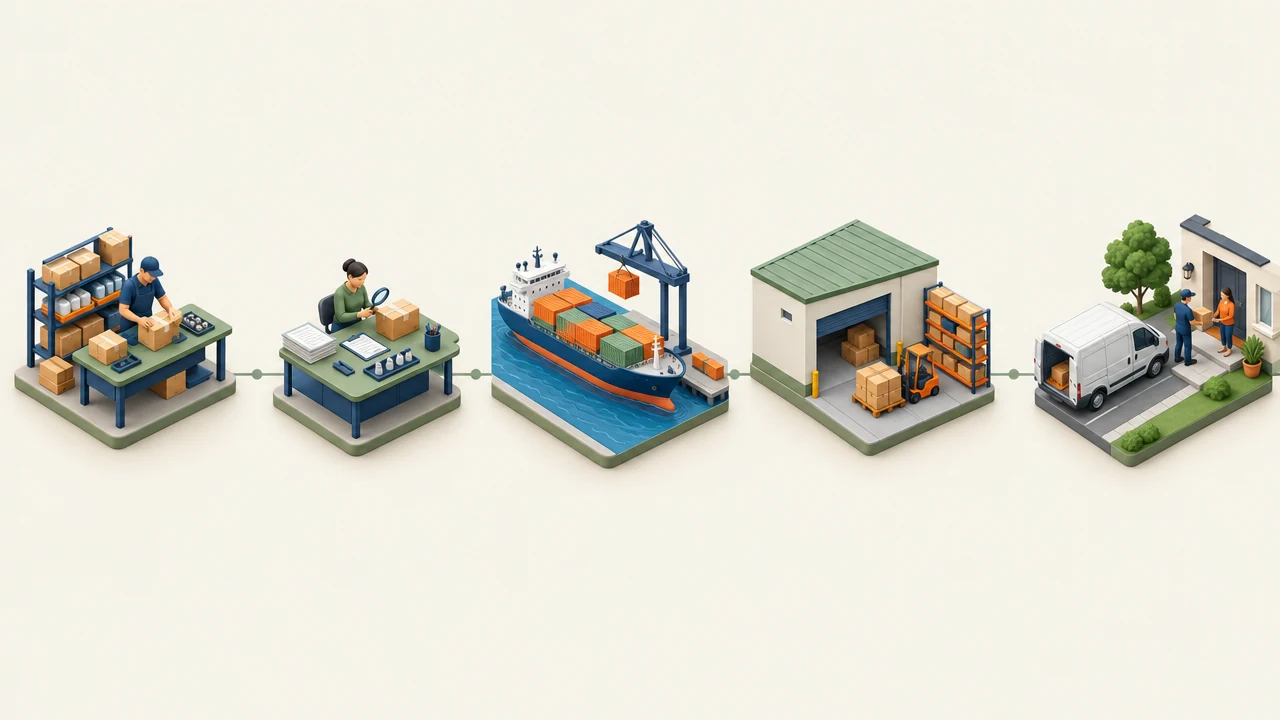
01Supplier
02Product & document checks
03Shipment & import
04Local warehouse
05Customer delivery
Illustrative route. Providers, locations and responsibilities are confirmed for your project.
Explore warehouse, orders and customer-delivery details
Who holds the stock and handles orders?
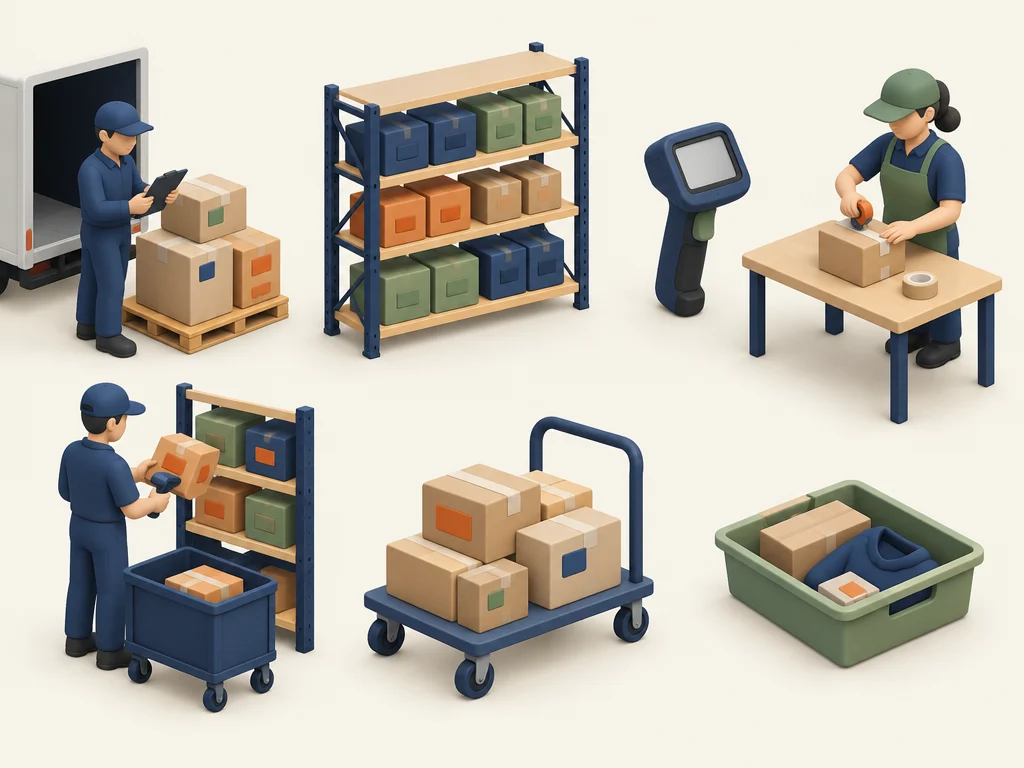
Confirm local receiving, stock counts, storage charges, pick-and-pack costs, dispatch times and the returns address. “Fulfilment” simply means storing the product, packing orders and sending them to customers.
Warehouses and fulfilment providers can be researched and coordinated for your project. Their terms and quotations establish the receiving and dispatch arrangements.
A successful video is not a prepared business.
Customers still need an available product, accurate claims, payment arrangements, delivery and support. Content, creators and AI tools can support promotion once the opportunity and launch readiness have been checked. They cannot guarantee attention or sales.
Machinery, project purchases and distributor orders may use direct shipment or another agreed route rather than small-parcel stock. Plan the route that fits the product, customer and contract.
Who does what?
Research tools, people and specialist providers.
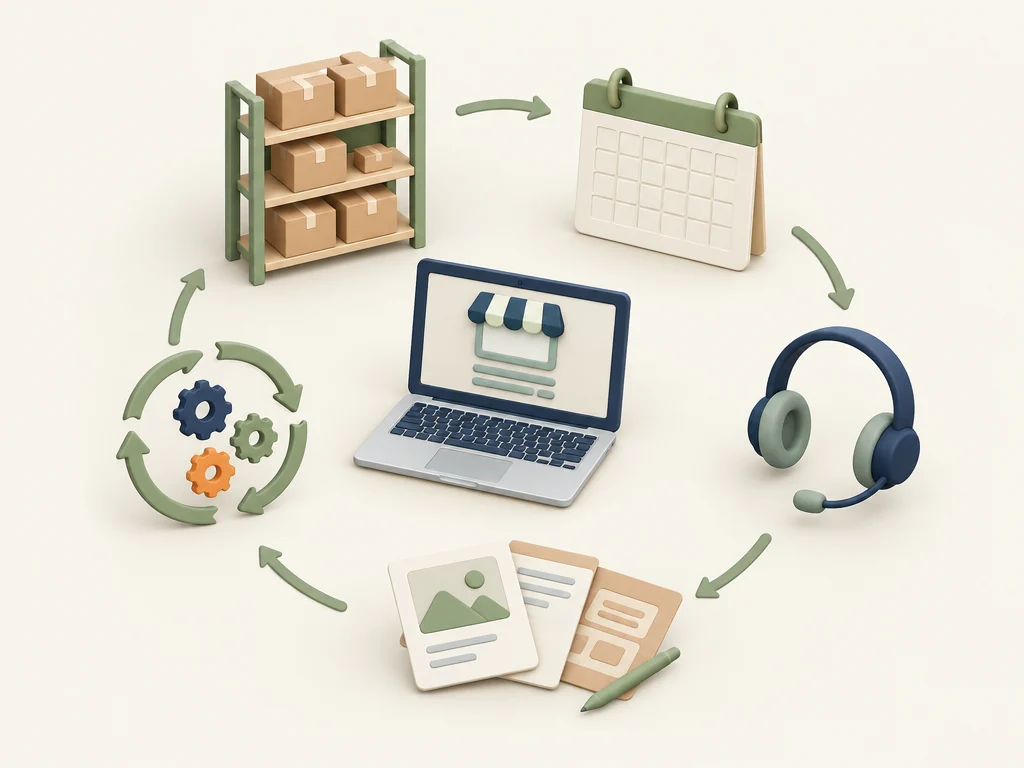
AI helps organize information. People review the work and communicate. Physical and regulated work needs the right independent provider.
Your project contact
Usman Yousaf
Project Lead · StructuredLayer
ChinaConnect247 is operated by StructuredLayer. Usman leads project coordination: clarifying the brief, reviewing evidence, explaining the proposal and keeping milestones and provider responsibilities clear.
See how research tools, human review and specialists work
The illustrations below depict roles; they are not portraits of staff or evidence of owned facilities.
AI-assisted work
Research organization, translation, customer-review analysis, comparisons and first drafts. Findings still need source checking and human review; AI does not inspect factories or certify products.
Human review and coordination
Review the evidence, communicate with suppliers, clarify quotations and keep milestones clear. You decide on purchases and spending.
Qualified independent providers
Testing, physical inspections, regulated advice, customs, freight, storage and delivery need appropriate specialists. Your quotation identifies their role and any separate charges.
Three ways to start
Start where you are today.
Ask for research, help preparing a supplier/sample stage or coordination for an agreed project. You can also start by explaining what you need and asking which route makes sense.
Research the opportunity
For a product you found online, at an exhibition, in a catalogue or on a supplier website. Understand the market, supplier evidence, possible costs and questions before deciding what comes next.
For a product worth investigating further. Agree the help needed with real supplier communication, specifications, current quotations, samples and the checks that matter for your country.
For an agreed sourcing or launch project, including an existing product or your own brand. Set milestones for order preparation, independent providers, delivery readiness and a limited pilot.
Your written quotation brings the commercial terms together: deliverables and exclusions, fees and payment arrangements, provider charges, milestones, updates, spending approvals and how delays or changes are handled. Paid work needs your approval. Samples, orders, testing, freight and local storage are separate unless expressly included. Physical and regulated services use independent providers; we do not claim to own their factories or warehouses. Additional work needs a new agreement.
App credits and managed services are separate.
My Fair credits cover the app features described in the existing pricing. They do not automatically pay for samples, freight, testing, warehouse services or managed sourcing and launch work.
No. You can start with a product name, link, catalogue or supplier details from wherever you are. If a factory visit or physical inspection would help, it can be discussed separately and arranged with an appropriate independent provider.
Can I start without a supplier?
Yes. Share what you want to sell and where. Supplier research can identify real candidates and available company evidence. A candidate is not a confirmed partner: contact, quotations, exact specifications and samples still need checking.
Will you guarantee sales or profit?
No. Research helps you make a more informed decision. It cannot guarantee demand, a profitable launch, viral content or customer orders. A small pilot lets you compare real results with the assumptions before committing more money.
Can I stop after the report?
Yes. The report may show that the idea needs changing or is not worth pursuing. You can stop after research. Supplier preparation and launch coordination are separate scopes, and you decide whether to continue.
Do you own factories or warehouses in my country?
We do not present factories, local warehouses, fulfilment operations or creator networks as our own infrastructure. Where needed, we can scope research and coordination with independent providers. Their availability, responsibilities and fees need confirmation before you rely on them.
How long could my project take?
Research is an initial stage; timing is confirmed for the scope. A sourcing and launch project can take months, depending on samples, product changes, testing, production, shipping, local receiving and provider availability. Your written plan sets milestones, updates and how delays will be handled.
Can you help with an existing product or my own brand?
Yes, depending on the scope. We can start with your product, existing stock or brand goals and examine customer fit, packaging, channel choices and delivery readiness. Content and promotion can support the plan when the product is ready, using material you own or are authorized to use. We do not promise to copy other people’s videos or make a product go viral.
Do I need a fixed starting budget?
An estimate or a spending limit is a useful start. There is no single budget that fits every product. Order quantities, packaging, checks, freight, import charges, storage and launch costs all affect the money needed. Research uses estimates; current supplier and provider quotations help confirm them before you approve spending.
Who controls the decisions and spending?
You do. Paid work starts only after you approve the written scope and price. You approve orders, provider charges, content and budgets at the agreed milestones. Visiting this page or sending a request does not start research, order a PDF, contact suppliers or commit you to paid work.














 What is left from each sale? Selling price minus the costs linked to that order gives a starting view. You still need to cover ongoing costs and unexpected problems before calling it profit.
 How much cash needs to be ready? Allow for upfront payments, stock, delivery and operating costs while you wait for sales payments. A price estimate is not a confirmed quotation.