

Gardening and growing media
KEHUI LECA Clay Pebbles: Indoor-Plant Substrate for France
Garden retailers, plant-care brands and hydroponics channels could test demand for consistent granules and convenient pack sizes. The practical advantage would be drainage and handling suitability; plant-growth or disease-control guarantees are not established by the source.
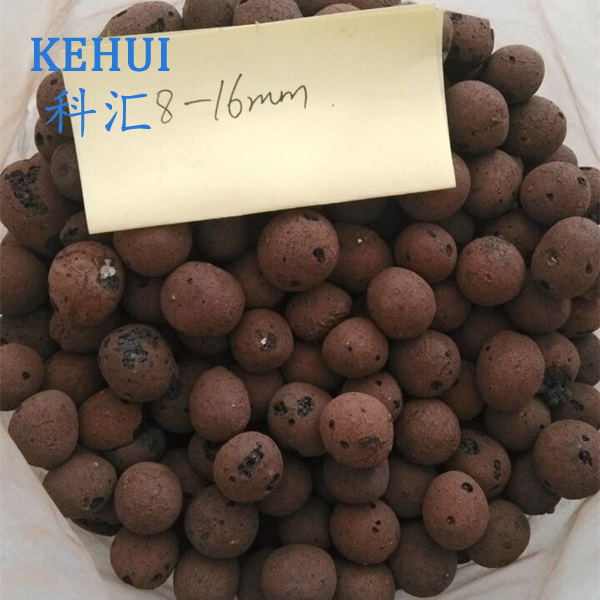
A source-linked horticultural expanded-clay product, including an 8–16 mm offering. LECA is a growing-medium or drainage material, not automatically a fertiliser. Nutrient granules and mineral substrates must be researched and labelled separately.
Quick answer
Explore Lingshou County Kehui Mica Co., Ltd.'s source-linked product for France. Check specifications, contacts, quotation requirements and the remaining verification questions. Full market intelligence below includes the opportunity scorecard, pricing assumptions, landed-cost scenarios, entry strategy, prospects and 30/60/90-day plan.
Available sourcing details
- Supplier
- Lingshou County Kehui Mica Co., Ltd.
- Indicative price
- Quote required · No confirmed wholesale quote
- MOQ
- Confirm with supplier
- OEM / private label
- Not confirmed for the exact configuration
- Lead time
- Written model-specific commitment required
- Intended markets
- France
Document reviewed
Supplier-stated claims
The official contact page publishes an email on a different domain; verify that contact and the beneficiary entity before payment. No independent factory or contaminant verification performed.
Important unknowns
Wholesale quote, MOQ, production lead time, model-specific destination compliance, warranty and actual production location require confirmation. The official contact page publishes an email on a different domain; verify that contact and the beneficiary entity before payment. No independent factory or contaminant verification performed.
Questions a buyer should ask
What particle-size and density tolerances are guaranteed? Are test reports batch-linked? Can you supply retail bags and French labels? What is the freight volume per pallet? What evidence supports horticultural suitability?
Report at a glance
A visual reading of the report’s stated figures. Full evidence, scenarios and limitations remain in the sections below.
Opportunity scorecard
Scores as stated in the detailed report table. These are source-report assessments, not supplier-quality ratings. A higher score does not independently establish an opportunity.
Base-case cost components
Listed base-case amounts in EUR. Individual components are estimates, not a total or supplier quotation. Only unambiguous numeric entries are plotted.
Product and supplier
A source-linked horticultural expanded-clay product, including an 8–16 mm offering. LECA is a growing-medium or drainage material, not automatically a fertiliser. Nutrient granules and mineral substrates must be researched and labelled separately.
Supplier: Lingshou County Kehui Mica Co., Ltd.. Official product page.
Supplier address and contact
Nanjialiang Village, Lingshou County, Shijiazhuang, Hebei, China.
Address status: Supplier-published address; plant visit and legal identity need confirmation. Published contact/address evidence.
Published email: admin@mcelia.com.
Published telephone: +86 311 82445898.
A published address is a starting point for verification, not proof of an inspected factory. Confirm the legal contracting entity, bank beneficiary and actual production site before paying or arranging a visit.
Opportunity and buyer fit
Garden retailers, plant-care brands and hydroponics channels could test demand for consistent granules and convenient pack sizes. The practical advantage would be drainage and handling suitability; plant-growth or disease-control guarantees are not established by the source.
This product is presented as a sourcing candidate for France. It is not a confirmed supplier quotation, approved import recommendation or a claim that the supplier already exports this item to that country.
What to check before an order
Request particle-size distribution, bulk density, pH, conductivity, dust content and contaminant analysis for the batch. Test washing, floating behaviour, breakage and suitability for the intended plant system. Compare delivered cost per usable litre rather than only per tonne. Ask a French importer to classify the intended claims and packaging correctly; a substrate is not automatically subject to the same route as a fertiliser.
Pricing and commercial terms
A reliable wholesale quotation, MOQ and model-specific delivery commitment were not established. Request sample and volume prices, Incoterm, packing dimensions, payment terms, warranty, production lead time and quotation validity. Do not copy broad market estimates into a supplier price.
Compare delivered cost per saleable unit: quoted product + packaging + inspection/testing + freight/insurance + destination fees/taxes + service/returns allowance. For machinery, include installation and commissioning. Your margin depends on the actual channel and selling costs, not just the difference between factory and retail prices.
Questions to send the supplier
-
What particle-size and density tolerances are guaranteed?
-
Are test reports batch-linked?
-
Can you supply retail bags and French labels?
-
What is the freight volume per pallet?
-
What evidence supports horticultural suitability?
Practical next steps
- Choose the exact SKU, intended use and destination.
- Request a written quotation and model-matched documents.
- Evaluate a sample or witnessed acceptance test against agreed criteria.
- Confirm import requirements and after-sales responsibilities before placing a volume order.
Evidence limitations
The official contact page publishes an email on a different domain; verify that contact and the beneficiary entity before payment. No independent factory or contaminant verification performed. Reviewed on 7 October 2026. Links support the specific facts described; they do not constitute an independent factory inspection or certificate-validation service.
Full market intelligence
The following preserves the detailed category and destination analysis from the market report dated 7 October 2026. It includes its assumptions, estimates, limitations and action plans. It is separate from the featured supplier facts above: market targets, competitor information and illustrative costs are not verified specifications or quotations from this supplier.
Source consistency note: the overview gives 6/10, while the detailed scorecard gives 5/10. Both original assessments are retained; the discrepancy is unresolved and neither score should be treated as an objective prediction.
Category boundary: the source market report discusses both plant substrates and nutrition/fertiliser possibilities. The featured KEHUI item is LECA substrate, not fertiliser; do not apply nutrient-product specifications or regulatory assumptions to it automatically.
Market overview
France · Plant Granulate for Indoor Plants
Report date: 7 October 2026.
-
Opportunity score: 6/10 out of 10
-
Assessment: Solid Market overall
-
Market value and growth: No direct value for plant granulate; Europe indoor plant market estimated at USD 9.1 billion in 2025, of which live indoor plants USD 4.9 billion growing Europe indoor plant market CAGR 5.2% (2026–2035); global indoor plant market CAGR estimates range 3.88%–4.87%
Executive Summary
France is a mature, high-value indoor plant market within Europe's USD 9.1bn indoor plant sector, with live plants alone at
France is a mature, high-value indoor plant market within Europe's USD 9.1bn indoor plant sector, with live plants alone at USD 4.9bn in 2025. Granular and slow-release plant fertilisers are a small but steady niche, benefiting from the broader biophilic and urban gardening trends. No dedicated French market size for plant granulate exists in the evidence; estimates must be built from adjacent categories. Retail channels are increasingly demanding sustainability and point-of-sale education. Entry is feasible for differentiated, eco-certified granulate products, but competition from established fertiliser brands and private labels is intense.
Opportunity assessment — Solid Market France's indoor plant market is large and growing, and granulate fertilisers are a logical attach product with recurring purchase behaviour. However, the absence of specific granulate market data and strong incumbent fertiliser brands means success requires a clear differentiation and channel strategy.
Decision in 60 Seconds
The figures below are source-report estimates or scenarios, not a quotation from the featured supplier. Confirm assumptions and actual costs before committing.
TEST France's indoor plant market is large and structurally growing, but the specific product category (plant granulate/fertiliser) is crowded, low-differentiation and carries EU fertiliser and plant-health compliance costs that make a small test order the only rational entry.
-
Best customer: French specialist garden-centre chains and e-commerce plant retailers (e.g. Truffaut, Botanic, Jardiland, Promesse de Fleurs) buying private-label or branded slow-release granulate for houseplants.
-
Best product: Slow-release NPK granulate for indoor foliage plants, 250-500 g resealable pouch, EU fertiliser-compliant labelling, organic/AB option for premium shelf.
-
Best channel: Specialist garden retail (jardineries) plus French e-commerce plant shops; avoid mass grocery on first order.
-
Target retail price: €7.90-€12.90 per 500 g pouch (consumer shelf price)
-
Target landed cost: €1.80-€2.60 per 500 g pouch (DDP France, incl. duty and clearance)
-
Expected gross margin: 55-65% at importer level before retail margin
-
Entry budget: €18,000-€30,000 for a first test container/LCL plus compliance and listing costs
-
Time to market: 4-6 months from supplier selection to first retail listing
-
Biggest obstacle: EU/French fertiliser regulation (Regulation (EU) 2019/1009) and labelling in French, plus crowded shelf with established brands.
-
Confidence in this call: Low
Opportunity Scorecard
5/10
Overall score
- Score
- 7/10
- Why
- Europe indoor plant market ~USD 9.1bn in 2025 with live plants ~USD 4.9bn; France is a mature gardening market with strong houseplant culture.
- Score
- 6/10
- Why
- Europe indoor plant CAGR ~5.2% (2026-2035) per GM Insights; global forecasts cluster 3.8-4.9%, so growth is steady not explosive.
- Score
- 3/10
- Why
- Fertiliser/granulate shelf is dominated by established brands (Substral, Fertiligène, Compo, Neudorff) plus private label; low differentiation.
- Score
- 4/10
- Why
- EU fertiliser Regulation (EU) 2019/1009, French-language labelling, and plant-health rules for any plant material create real compliance load.
- Score
- 6/10
- Why
- Granulate is light, non-perishable and cheap to ship; importer margins of 55-65% are achievable if landed cost is controlled.
- Score
- 5/10
- Why
- Non-EU origin requires customs classification, possible anti-dumping scrutiny on fertiliser chemicals, and phytosanitary rules only if plant material is included.
- Score
- 7/10
- Why
- France has deep B2B garden-supply distribution (Europages lists 498 plant wholesalers, 1,125 garden-supply companies) and specialist importers.
- Score
- 6/10
- Why
- 4-6 months is realistic for a non-perishable granulate; faster than live plants but slower than pure consumer goods due to labelling.
- Score
- 3/10
- Why
- Evidence is dominated by generic indoor-plant market reports; no France-specific granulate pricing, tariff line or competitor data was supplied.
| Factor | Score | Why |
|---|---|---|
| Market demand | 7/10 | Europe indoor plant market ~USD 9.1bn in 2025 with live plants ~USD 4.9bn; France is a mature gardening market with strong houseplant culture. |
| Growth | 6/10 | Europe indoor plant CAGR ~5.2% (2026-2035) per GM Insights; global forecasts cluster 3.8-4.9%, so growth is steady not explosive. |
| Competition | 3/10 | Fertiliser/granulate shelf is dominated by established brands (Substral, Fertiligène, Compo, Neudorff) plus private label; low differentiation. |
| Regulatory difficulty | 4/10 | EU fertiliser Regulation (EU) 2019/1009, French-language labelling, and plant-health rules for any plant material create real compliance load. |
| Margin potential | 6/10 | Granulate is light, non-perishable and cheap to ship; importer margins of 55-65% are achievable if landed cost is controlled. |
| Import complexity | 5/10 | Non-EU origin requires customs classification, possible anti-dumping scrutiny on fertiliser chemicals, and phytosanitary rules only if plant material is included. |
| Local partner availability | 7/10 | France has deep B2B garden-supply distribution (Europages lists 498 plant wholesalers, 1,125 garden-supply companies) and specialist importers. |
| Speed to market | 6/10 | 4-6 months is realistic for a non-perishable granulate; faster than live plants but slower than pure consumer goods due to labelling. |
| Evidence confidence | 3/10 | Evidence is dominated by generic indoor-plant market reports; no France-specific granulate pricing, tariff line or competitor data was supplied. |
The category is viable but undifferentiated; the decision hinges on securing a compliant, low-cost supply and a private-label or niche
The category is viable but undifferentiated; the decision hinges on securing a compliant, low-cost supply and a private-label or niche organic angle rather than competing head-on with incumbent brands.
Market Size & Growth
-
Market value (2025): No direct value for plant granulate; Europe indoor plant market estimated at USD 9.1 billion in 2025, of which live indoor plants USD 4.9 billion
-
Growth rate: Europe indoor plant market CAGR 5.2% (2026–2035); global indoor plant market CAGR estimates range 3.88%–4.87%
-
Forecast (2035): Europe indoor plant market projected to grow at 5.2% CAGR to 2035; no granulate-specific forecast available
-
Confidence: LOW
-
Basis: Derived from Europe indoor plant market data (GMI) and global indoor plant market forecasts (multiple sources); no granulate-specific market size found.
Demand Drivers
1 Biophilic design in commercial interiors High Integration of living plants into office renovation and fit-out projects is a structural demand driver for the French commercial indoor plant market through 2035.
2 Urbanisation and limited outdoor space High Urban lifestyles and smaller living spaces increase demand for indoor plants and associated care products, including granulate fertilisers.
3 Wellness and air purification awareness Medium Consumers increasingly aware of mental and physical health benefits of indoor plants, driving purchases of plants and care products. 4 E-commerce and direct-to-consumer plant retail Medium Rapid expansion of online plant retail facilitates discovery and purchase of plant care products, including granulates.
Trending Now
1 Slow-release and granulated fertilisers Steady Granulated and slow-release fertilisers are gaining popularity for indoor plants due to ease of use and longer-lasting effect compared to liquids. Signal: Product reviews and retail assortments highlight granulated and slow-release options.
2 Sustainability and eco-friendly gardening Accelerating French consumers and retailers increasingly favour plants and products with reduced ecological footprint; organic and natural fertilisers are favoured. Signal: French ornamental horticulture market shifting toward sustainability and e-commerce.
3 Smart plant care integration Accelerating Smart planters with sensors and apps automate nutrient dosing, potentially reducing demand for manual granulate application but also creating premium niches. Signal: Integration of smart sensors identified as a prime driver in indoor plants market.
4 E-commerce growth for plant care products Steady Online sales of plants and accessories are expanding, with consumers seeking convenience and product information online. Signal: Shopify and other platforms report strong interest in selling plants online.
Seasonality
-
Peak months: March, April, May, September
-
Slower months: July, August, December, January
-
Planning note: Spring is peak planting and repotting season; a secondary peak occurs in early autumn. Import and production should be planned 2–3 months ahead of these peaks.
Consumer Insights
Urban households, particularly younger adults and apartment dwellers, as
Typical buyer
well as corporate offices and interior landscapers.
-
Demographics: Broad range; French households spend on indoor plants across age groups, with younger consumers driving online purchases and older consumers favouring garden centres.
-
Price sensitivity: Medium
-
Sensitivity note: While premium products exist, the high initial investment for plants and care products can be a barrier; consumers seek value and efficacy.
-
What they value: Ease of use, Effectiveness, Sustainability, Plant health, Value for money
-
Where they buy: Garden centres, Home improvement stores, Supermarkets, Online retailers, Florists
-
Purchase drivers: Convenience of application, Visible plant health improvement, Organic/natural formulations, Brand trust, Price per application
Market Channels
- Fit
- Strong
- Margin
- Retail margins typically 40–50%
- Notes
- Primary channel for plant care products; staff advice influences purchase. Approach major chains and independent buying groups; offer staff training and point-of-sale materials.
- Fit
- Strong
- Margin
- Retail margins 30–40%
- Notes
- Large volume potential; seasonal promotions drive sales. List with central buying desks; provide promotional support and clear labelling.
- Fit
- Moderate
- Margin
- Variable; platform fees and shipping impact margins
- Notes
- Growing channel, especially for niche and premium products; requires strong online content. Launch own e-shop or list on marketplaces; invest in SEO and customer reviews.
- Fit
- Moderate
- Margin
- Low margins, high turnover
- Notes
- Price-sensitive, high-volume; private label competition strong. Offer competitive pricing and multi-packs; secure shelf space via category managers.
| Channel | Fit | Margin | Notes |
|---|---|---|---|
| Garden centres and nurseries | Strong | Retail margins typically 40–50% | Primary channel for plant care products; staff advice influences purchase. Approach major chains and independent buying groups; offer staff training and point-of-sale materials. |
| Home improvement and DIY stores | Strong | Retail margins 30–40% | Large volume potential; seasonal promotions drive sales. List with central buying desks; provide promotional support and clear labelling. |
| E-commerce | Moderate | Variable; platform fees and shipping impact margins | Growing channel, especially for niche and premium products; requires strong online content. Launch own e-shop or list on marketplaces; invest in SEO and customer reviews. |
| Supermarkets and hypermarkets | Moderate | Low margins, high turnover | Price-sensitive, high-volume; private label competition strong. Offer competitive pricing and multi-packs; secure shelf space via category managers. |
Competitive Landscape
Market leaders
- Position
- Global fertiliser supplier with broad product range including granular forms.
- Strength
- Scale, retail network, R&D investment.
- Position
- Premium plant nutrition, specialty fertilisers.
- Strength
- Innovation-driven formulations for residential and professional growers.
- Position
- Organic seaweed- and fish-based fertilisers.
- Strength
- Benchmark for organic and sustainable gardening.
| Company | Position | Strength |
|---|---|---|
| Nutrien Ltd. | Global fertiliser supplier with broad product range including granular forms. | Scale, retail network, R&D investment. |
| Advanced Nutrients Ltd | Premium plant nutrition, specialty fertilisers. | Innovation-driven formulations for residential and professional growers. |
| Neptune's Harvest | Organic seaweed- and fish-based fertilisers. | Benchmark for organic and sustainable gardening. |
Competing source markets
-
Origin: Their advantage
-
France: Local production, understanding of French market, established distribution.
-
Netherlands: Strong horticultural export infrastructure, proximity to French market.
-
Germany: Reputation for quality and engineering, strong brand presence in garden care.
-
Origin: Their advantage
Where you can win Differentiate through organic certification, ease-of-use packaging, or smart-release technology tailored to indoor plant needs.
Barriers to entry
- Severity
- High
- How to overcome
- Focus on niche differentiation (organic, indoor-specific) and build brand through education.
- Severity
- Medium
- How to overcome
- Ensure compliance with EU fertiliser regulation and French national rules; obtain necessary certifications.
- Severity
- Medium
- How to overcome
- Plan production and logistics to align with spring and autumn peaks; use flexible supply contracts.
| Barrier | Severity | How to overcome |
|---|---|---|
| Strong incumbent fertiliser brands and private labels | High | Focus on niche differentiation (organic, indoor-specific) and build brand through education. |
| Regulatory compliance for fertiliser products in France/EU | Medium | Ensure compliance with EU fertiliser regulation and French national rules; obtain necessary certifications. |
| Seasonal demand and inventory management | Medium | Plan production and logistics to align with spring and autumn peaks; use flexible supply contracts. |
Gaps in the market
• Limited dedicated indoor plant granulate products with clear dosage instructions for houseplants.
• Few organic-certified granulate options specifically for indoor use.
• Lack of integrated smart-dosing granulate systems.
Pricing
The figures below are source-report estimates or scenarios, not a quotation from the featured supplier. Confirm assumptions and actual costs before committing.
-
Retail price range: No direct data for plant granulate; typical indoor plant fertiliser retail prices range from €5 to €20 per pack.
-
Wholesale expectation: Wholesale prices typically 40–50% below retail; volume discounts expected.
-
Landed cost target: Target landed cost at 30–40% of retail price to allow for margins and marketing.
-
Margin pressure: Medium
-
Notes: Pricing is indicative based on adjacent categories; actual granulate prices may vary. French consumers are willing to pay a premium for organic and effective products.
Price tiers
- Range
- €5–€8
- Note
- Basic granulate, private label or budget brands.
- Range
- €9–€14
- Note
- Branded products with clear benefits, often organic or slow-release.
- Range
- €15–€25
- Note
- Specialty formulations, organic certification, smart-release technology.
| Tier | Range | Note |
|---|---|---|
| Economy | €5–€8 | Basic granulate, private label or budget brands. |
| Mid-range | €9–€14 | Branded products with clear benefits, often organic or slow-release. |
| Premium | €15–€25 | Specialty formulations, organic certification, smart-release technology. |
Regulatory Requirements
The following preserves the source report's regulatory analysis, which has not been independently validated for this exact product. Requirements depend on classification, intended use and current rules. Confirm applicability with the destination authority or a qualified adviser.
- Status
- Mandatory
- Authority
- European Commission
- Detail
- Fertilising products must comply with EU rules for making available on the market; CE marking required for certain categories.
- Status
- Mandatory
- Authority
- French Ministry of Agriculture
- Detail
- National rules may apply for products not covered by EU regulation; check with authorities.
| Requirement | Status | Authority | Detail |
|---|---|---|---|
| EU fertiliser regulation (EU) 2019/1009 | Mandatory | European Commission | Fertilising products must comply with EU rules for making available on the market; CE marking required for certain categories. |
| French national fertiliser regulations | Mandatory | French Ministry of Agriculture | National rules may apply for products not covered by EU regulation; check with authorities. |
- Status
- Recommended
- Authority
- INAO / Agence BIO
- Detail
- For organic claims, product must be certified under EU organic regulation (EU) 2018/848; COI required for imports.
- Status
- Mandatory
- Authority
- EU plant health authorities
- Detail
- If granulate contains plant-derived materials, phytosanitary certificate may be required for entry into EU.
| Requirement | Status | Authority | Detail |
|---|---|---|---|
| Organic certification (AB mark) | Recommended | INAO / Agence BIO | For organic claims, product must be certified under EU organic regulation (EU) 2018/848; COI required for imports. |
| Phytosanitary certificate for plant products | Mandatory | EU plant health authorities | If granulate contains plant-derived materials, phytosanitary certificate may be required for entry into EU. |
Import & Logistics
-
Estimated tariff: Fertilisers typically fall under HS Chapter 31; EU MFN duty rates vary (e.g., 6.5% for some fertilisers). Check exact code.
-
Suggested HS code: 3105 (mineral or chemical fertilisers containing two or three of the fertilising elements nitrogen, phosphorus and potassium) or 3101 (animal or vegetable fertilisers).
-
Trade agreements: EU Free Trade Agreements may apply depending on origin; check specific FTA.
-
Typical lead time: Ocean freight from Asia to France: 30–45 days; from Europe: 3–7 days.
-
Top source countries: Netherlands, Germany, Belgium, China, Italy
-
Shipping notes: Granulate is non-perishable but should be kept dry; standard container shipping suitable. Ensure packaging meets EU labelling requirements.
Buyer Expectations
-
Expectation: Importance
-
Clear dosage and application instructions in French French consumers expect product information in French; lack of translation can hinder sales.: Must-have
-
Organic or natural formulation Growing demand for sustainable products; organic certification adds credibility.: Nice to have
-
Effective and long-lasting nutrition Consumers seek visible results and value; slow-release claims must be substantiated.: Must-have
-
Safe for indoor use and pets Indoor plant owners may have concerns about toxicity; clear labelling helps.: Nice to have
Risks
1 Regulatory changes or non-compliance High Stay updated on EU and French fertiliser regulations; work with regulatory consultants.
2 Intense competition from established brands High Differentiate through organic certification, innovative packaging, or targeted marketing.
3 Seasonal demand fluctuations Medium Diversify product range for year-round use; plan inventory carefully. 4 Economic downturn affecting discretionary spending Medium Offer value packs and emphasise cost-per-application savings.
Opportunities
1 Organic-certified indoor plant granulate French market shifting toward sustainability; organic products command premium. How to capture: Obtain EU organic certification; target eco-conscious consumers via garden centres and online.
2 Smart-release granulate with dosage control Consumers seek convenience; smart planters are trending. How to capture: Develop granulate that works with smart planters or offers precise dosing.
3 Private label for major retailers Retailers seek differentiated private label products to build loyalty. How to capture: Approach French garden centres and DIY chains with private label proposals.
4 E-commerce direct-to-consumer subscription Online plant sales growing; subscription models ensure recurring revenue. How to capture: Launch subscription service for granulate refills; partner with plant e-tailers.
Market Entry Strategy
-
Recommended approach: Enter via a differentiated organic or indoor-specific granulate, initially targeting e-commerce and independent garden centres, then expand to larger retail chains.
-
Timeline: 6–12 months to establish distribution and brand presence.
-
Estimated investment: €50,000–€150,000 for product development, certification, initial inventory, and marketing.
First steps
• Conduct detailed regulatory review for fertiliser product compliance.
• Identify and contact potential distribution partners in France.
• Develop French-language packaging and marketing materials.
• Pilot launch online and in select garden centres to test demand.
Trade Show Tips
• Attend Salon du Végétal in Angers — Key French horticulture trade show; network with growers, retailers, and distributors.
• Attend Salon du Végétal in Angers — Key French horticulture trade show; network with growers, retailers, and distributors.
• Participate in SIVAL in Angers — Focuses on plant production and gardening; good for B2B contacts.
• Visit IPM Essen in Germany — Major international horticulture fair; many French buyers attend.
Action Brief
Do now Verify HS code and tariff for plant granulate Owner: Import/Compliance Manager
This week Identify and contact potential French distributors Owner: Business Development
This month Assess organic certification requirements and costs Owner: Regulatory Affairs
This month Develop French-language product labelling and marketing plan Owner: Marketing
Key Takeaways
1 France is a mature indoor plant market with strong demand for plant care products, but no specific granulate market data exists.
2 Sustainability and organic trends are accelerating, creating opportunities for eco-certified granulate products. 3 Competition from established fertiliser brands is high; differentiation is essential. 4 Regulatory compliance with EU fertiliser and organic rules is mandatory for market entry. 5 E-commerce and garden centres are key channels; French-language packaging and education are critical.
Landed Cost Model
The figures below are source-report estimates or scenarios, not a quotation from the featured supplier. Confirm assumptions and actual costs before committing.
Currency: EUR. Per unit: one 500 g resealable pouch of slow-release indoor plant granulate, retail-ready.
- Best
- €0.85
- Base
- €1.10
- Worst
- €1.40
- Note
- Assumption: Asian or EU contract manufacturer; no supplier quotes were supplied.
- Best
- €0.10
- Base
- €0.18
- Worst
- €0.30
- Note
- Assumption based on Drewry WCI ~USD 4,434/40ft (Oct 2026) and typical LCL consolidation; granulate is dense but low-value.
- Best
- €0.02
- Base
- €0.04
- Worst
- €0.06
- Note
- Assumption: 1-2% of CIF value.
- Best
- €0.00
- Base
- €0.06
- Worst
- €0.12
- Note
- Assumption: many fertiliser lines under HS 3105 carry low or zero MFN duty; exact TARIC line not verified in evidence.
- Best
- €0.03
- Base
- €0.05
- Worst
- €0.08
- Note
- Assumption: per-unit allocation of a €150-250 clearance fee on a 3,000-5,000 unit shipment.
- Best
- €0.03
- Base
- €0.05
- Worst
- €0.08
- Note
- Assumption: Le Havre/Marseille port to French 3PL.
- Best
- €0.05
- Base
- €0.10
- Worst
- €0.20
- Note
- Assumption: EU fertiliser conformity, French-language label artwork, one-off cost spread over first order.
- Best
- €0.08
- Base
- €0.12
- Worst
- €0.18
- Note
- Assumption: French 3PL per-unit handling.
- Best
- €0.02
- Base
- €0.04
- Worst
- €0.06
- Note
- Assumption: 1-2% on supplier payment.
- Best
- €0.02
- Base
- €0.05
- Worst
- €0.10
- Note
- Assumption: 2-4% of units.
- Best
- €1.79 per
- Base
- 500 g pouch (sum
- Worst
- of base
- Note
- case)
- Best
- €3.50-€4.50
- Base
- per pouch to
- Worst
- retailer
- Note
- —
- Best
- €7.90-€12.90
- Base
- per pouch
- Worst
- —
- Note
- —
- Best
- 48-60%
- Base
- on landed cost
- Worst
- —
- Note
- —
- Best
- 55-65%
- Base
- before overheads
- Worst
- —
- Note
- —
- Best
- €1.70-€2.70
- Base
- per pouch at
- Worst
- base case
- Note
- —
| Cost line | Best | Base | Worst | Note |
|---|---|---|---|---|
| Ex-works / FOB supplier price | €0.85 | €1.10 | €1.40 | Assumption: Asian or EU contract manufacturer; no supplier quotes were supplied. |
| Ocean freight (LCL, per unit equivalent) | €0.10 | €0.18 | €0.30 | Assumption based on Drewry WCI ~USD 4,434/40ft (Oct 2026) and typical LCL consolidation; granulate is dense but low-value. |
| Insurance and freight surcharges | €0.02 | €0.04 | €0.06 | Assumption: 1-2% of CIF value. |
| Import duty (EU MFN, fertiliser chapter) | €0.00 | €0.06 | €0.12 | Assumption: many fertiliser lines under HS 3105 carry low or zero MFN duty; exact TARIC line not verified in evidence. |
| Customs clearance and brokerage | €0.03 | €0.05 | €0.08 | Assumption: per-unit allocation of a €150-250 clearance fee on a 3,000-5,000 unit shipment. |
| Inland transport to warehouse | €0.03 | €0.05 | €0.08 | Assumption: Le Havre/Marseille port to French 3PL. |
| Compliance and labelling (amortised) | €0.05 | €0.10 | €0.20 | Assumption: EU fertiliser conformity, French-language label artwork, one-off cost spread over first order. |
| Warehousing and pick/pack | €0.08 | €0.12 | €0.18 | Assumption: French 3PL per-unit handling. |
| Payment and FX cost | €0.02 | €0.04 | €0.06 | Assumption: 1-2% on supplier payment. |
| Shrinkage / returns allowance | €0.02 | €0.05 | €0.10 | Assumption: 2-4% of units. |
| True landed cost (base case) | €1.79 per | 500 g pouch (sum | of base | case) |
| Distributor sale price | €3.50-€4.50 | per pouch to | retailer | |
| Retail price | €7.90-€12.90 | per pouch | ||
| Distributor margin | 48-60% | on landed cost | ||
| Importer gross margin | 55-65% | before overheads | ||
| Contribution per unit | €1.70-€2.70 | per pouch at | base case |
Assumptions behind these figures
• No supplier quotes, freight quotes or TARIC duty rates were provided in the evidence; all cost lines are analyst estimates
• No supplier quotes, freight quotes or TARIC duty rates were provided in the evidence; all cost lines are analyst estimates (grade E).
• Reference shipment assumed at 3,000-5,000 units to justify LCL and amortise compliance.
• Duty assumed low/zero because most consumer fertiliser granulates fall under HS 3105; this must be verified against TARIC.
• Duty assumed low/zero because most consumer fertiliser granulates fall under HS 3105; this must be verified against TARIC.
• Retail price band inferred from comparable European houseplant fertiliser shelf prices, not from supplied French price
• Retail price band inferred from comparable European houseplant fertiliser shelf prices, not from supplied French price data.
• Organic/AB certification would add cost and is not included in the base case.
Break-Even Analysis
The figures below are source-report estimates or scenarios, not a quotation from the featured supplier. Confirm assumptions and actual costs before committing.
-
Setup cost: Amount
-
First order inventory (3,000 units at €1.10 FOB): €3,300
-
Freight, duty, clearance and inland (first shipment) €1,500-€2,500:
-
EU fertiliser compliance, French labelling and artwork €3,000-€6,000:
-
French 3PL setup, listing fees and trade samples €2,500-€5,000:
-
Marketing, trade show or broker commission €3,000-€8,000 Total setup cost €13,300-€24,800:
-
Contribution per unit €1.70-€2.70:
-
Break-even volume 5,000-14,500 units:
-
Conservative monthly sales 800-1,500 units:
-
Estimated time to break even 6-12 months:
Assumptions
• Setup costs are analyst estimates (grade E); no French listing-fee or compliance quotes were supplied.
• Break-even assumes importer sells direct to retail or via distributor at €3.50-€4.50 per pouch.
• Conservative monthly sales assume one or two regional garden-centre chains listing the product.
• No allowance for returns, markdowns or currency swings beyond the per-unit allowance.
Ideal Product Specification
Source this Source a 250-500 g resealable slow-release NPK granulate for indoor foliage, EU fertiliser-compliant, French-labelled, target FOB €0.85-€1.40.
- Requirement
- Granulate, slow-release, 250 g and 500 g resealable pouches
- Why it matters
- Matches consumer usage for houseplants and keeps unit price under €13.
- Requirement
- Balanced indoor-plant ratio (e.g. 10-10-10 or 14-7-14) with micronutrients
- Why it matters
- Consumers expect a complete houseplant feed.
- Requirement
- 2-3 months per application
- Why it matters
- Competitive claim versus liquid feeds.
- Requirement
- Conforms to Regulation (EU) 2019/1009; French-language label
- Why it matters
- Legal requirement for EU retail sale.
- Requirement
- AB/EU organic certified variant for premium shelf
- Why it matters
- French retailers are shifting toward sustainability and reduced ecological footprint.
- Requirement
- Recyclable mono-material pouch, French and EU recycling marks
- Why it matters
- French retailers increasingly demand recyclability.
| Attribute | Requirement | Why it matters |
|---|---|---|
| Format | Granulate, slow-release, 250 g and 500 g resealable pouches | Matches consumer usage for houseplants and keeps unit price under €13. |
| NPK analysis | Balanced indoor-plant ratio (e.g. 10-10-10 or 14-7-14) with micronutrients | Consumers expect a complete houseplant feed. |
| Release duration | 2-3 months per application | Competitive claim versus liquid feeds. |
| Compliance | Conforms to Regulation (EU) 2019/1009; French-language label | Legal requirement for EU retail sale. |
| Organic option | AB/EU organic certified variant for premium shelf | French retailers are shifting toward sustainability and reduced ecological footprint. |
| Packaging | Recyclable mono-material pouch, French and EU recycling marks | French retailers increasingly demand recyclability. |
- Requirement
- Minimum 24 months
- Why it matters
- Granulate is stable but moisture ingress must be controlled.
- Requirement
- 3,000-5,000 units per SKU
- Why it matters
- Keeps first order test-sized while amortising compliance.
- Requirement
- Safety data sheet, heavy-metal test report, conformity declaration €0.85-€1.40 per 500 g pouch
- Why it matters
- Required for EU fertiliser placing on market.
- Requirement
- 3,000-5,000 units per SKU
- Why it matters
- —
| Attribute | Requirement | Why it matters |
|---|---|---|
| Shelf life | Minimum 24 months | Granulate is stable but moisture ingress must be controlled. |
| MOQ | 3,000-5,000 units per SKU | Keeps first order test-sized while amortising compliance. |
| Certification Target FOB price | Safety data sheet, heavy-metal test report, conformity declaration €0.85-€1.40 per 500 g pouch | Required for EU fertiliser placing on market. |
| Target MOQ | 3,000-5,000 units per SKU |
Deal breakers
• Supplier cannot provide EU fertiliser conformity documentation
• No French-language label capability
• Heavy-metal or contaminant test failure
• MOQ above 10,000 units on first order
Questions to Ask a Supplier
-
1: Can you supply a conformity declaration under Regulation (EU) 2019/1009? Why: Without it the product cannot legally be placed on the EU market. Good answer: Yes, with product category (PFC) identified and test reports.
-
2: What is your heavy-metal and contaminant test protocol? Why: EU fertiliser rules set contaminant limits. Good answer: Third-party lab reports per batch, within EU limits.
-
3: Can you print French-language labels and EU recycling marks? Why: French retail requires French labelling. Good answer: Yes, with artwork approval process.
-
4: What is your release-duration claim and how is it tested? Why: Marketing claim must be defensible. Good answer: Documented 2-3 month release with test method.
-
5: What is your MOQ and lead time for a first order? Why: Determines test-order feasibility. Good answer: 3,000-5,000 units, 30-45 days.
-
6: Do you offer an organic/AB-certified variant? Why: Premium French shelf opportunity. Good answer: Yes, with recognised control-body certificate.
-
What is your packaging recyclability profile? Why: French retailers are tightening packaging requirements. Good answer: Mono-material, recyclable, with French sorting instructions.
-
8: Can you provide references from EU buyers? Why: Reduces compliance and quality risk. Good answer: Named EU customers with contactable references.
-
9: What is your price at 3,000, 10,000 and 30,000 units? Why: Determines landed-cost curve. Good answer: Transparent tiered pricing.
Companies Worth Approaching
These are prospects or comparison companies named in the source report, not confirmed partners, authorised distributors or endorsements. Verify their current scope before contacting them.
- Type
- Specialist garden-centre chain
- Why they fit
- Largest French garden retailer with strong houseplant and fertiliser shelf.
- Who to ask for
- Category buyer, plant care
- Priority
- A
- Type
- Specialist garden-centre chain
- Why they fit
- Positions on sustainable gardening, fits organic granulate angle.
- Who to ask for
- Purchasing manager, plant care
- Priority
- A
- Type
- Specialist garden-centre chain
- Why they fit
- National network with houseplant and consumables aisles.
- Who to ask for
- Category buyer
- Priority
- A
- Type
- E-commerce plant retailer
- Why they fit
- Online plant specialist that cross-sells care products.
- Who to ask for
- Head of buying
- Priority
- B
- Type
- Premium indoor plant e-commerce
- Why they fit
- Premium indoor plant delivery in France; care-product attach rate.
- Who to ask for
- Merchandising lead
- Priority
- B
- Type
- Distributor/wholesaler of plant decoration
- Why they fit
- B2B distributor serving professionals; potential route to trade.
- Who to ask for
- Commercial director
- Priority
- C
- Type
- Importer of plant and decorative products
- Why they fit
- Specialised importer with existing retail relationships.
- Who to ask for
- Sourcing manager
- Priority
- C
| Company | Type | Why they fit | Who to ask for | Priority |
|---|---|---|---|---|
| Truffaut https://www.truffaut.com | Specialist garden-centre chain | Largest French garden retailer with strong houseplant and fertiliser shelf. | Category buyer, plant care | A |
| Botanic https://www.botanic.com | Specialist garden-centre chain | Positions on sustainable gardening, fits organic granulate angle. | Purchasing manager, plant care | A |
| Jardiland https://www.jardiland.com | Specialist garden-centre chain | National network with houseplant and consumables aisles. | Category buyer | A |
| Promesse de Fleurs https://www.promessedefleurs.com | E-commerce plant retailer | Online plant specialist that cross-sells care products. | Head of buying | B |
| Léon & George https://www.leonandgeorge.fr | Premium indoor plant e-commerce | Premium indoor plant delivery in France; care-product attach rate. | Merchandising lead | B |
| Element Végétal https://www.europages.co.uk/companies/france/wholesaler/plants.html | Distributor/wholesaler of plant decoration | B2B distributor serving professionals; potential route to trade. | Commercial director | C |
| KALYSTE https://www.europages.co.uk/companies/france/wholesaler/plants.html | Importer of plant and decorative products | Specialised importer with existing retail relationships. | Sourcing manager | C |
Product-Market Fit by Segment
- Their need
- Easy, low-mess feeding for indoor plants
- Fit
- Strong
- Price sensitivity
- Medium
- Sales difficulty
- Medium
- Their need
- Complete feed matching premium plant purchase
- Fit
- Excellent
- Price sensitivity
- Low
- Sales difficulty
- Low
- Their need
- AB-certified, low-footprint plant care
- Fit
- Strong
- Price sensitivity
- Medium
- Sales difficulty
- Medium
- Their need
- Bulk, low-labour plant maintenance
- Fit
- Moderate
- Price sensitivity
- High
- Sales difficulty
- High
- Their need
- Cheap impulse plant food
- Fit
- Weak
- Price sensitivity
- High
- Sales difficulty
- High
| Segment | Their need | Fit | Price sensitivity | Sales difficulty |
|---|---|---|---|---|
| Urban houseplant owners (25-40) | Easy, low-mess feeding for indoor plants | Strong | Medium | Medium |
| Premium indoor plant buyers | Complete feed matching premium plant purchase | Excellent | Low | Low |
| Organic/sustainable gardeners | AB-certified, low-footprint plant care | Strong | Medium | Medium |
| Office/biophilic facility managers | Bulk, low-labour plant maintenance | Moderate | High | High |
| Mass grocery shoppers | Cheap impulse plant food | Weak | High | High |
Who Should NOT Enter This Market
Importer with no EU fertiliser compliance experience
Regulation (EU) 2019/1009 and French labelling are non-trivial; mistakes can block customs clearance.
Seller expecting live-plant margins
Granulate is a low-ticket consumable; margins per unit are small and volume-driven.
Business without French-language packaging capability
French consumer law requires French-language labelling for retail sale.
Investor seeking fast scale
Shelf space is controlled by incumbent brands and private label; listing cycles are slow.
Validate Before You Invest
n Exact TARIC duty rate for the chosen granulate HS line How: Check TARIC for HS 3105 subheadings with a customs broker Why: Duty changes landed cost and break-even.
n French retail shelf prices for comparable granulate How: Mystery-shop Truffaut, Botanic, Jardiland and Amazon.fr Why: Confirms the €7.90-€12.90 retail band.
n EU fertiliser conformity cost and timeline How: Quote a notified body or compliance consultant Why: Compliance is the main regulatory gate.
n Real supplier FOB and MOQ How: Request quotes from 3-5 manufacturers Why: Determines whether the margin model holds.
n Retailer listing requirements and fees How: Direct meeting with category buyers Why: Listing costs drive break-even.
What We Know and What We Do Not
Known • France is a mature gardening market with strong houseplant culture • EU fertiliser and plant-health rules apply • Incumbent fertiliser brands dominate shelf
Likely • Retail price band €7.90-€12.90 per 500 g • Importer margin 55-65% at base case • 4-6 month time to first listing
Unknown • Exact TARIC duty rate for the chosen granulate line • Real supplier FOB and MOQ • French retailer listing fees • Actual French granulate category size
Needs verification
• EU fertiliser conformity cost and timeline • Organic/AB certification cost • Competitor shelf prices in France • Freight rate for the specific shipment profile
Evidence Quality
A government or regulator · B industry body · C research firm · D trade observation · E estimate or inference
Overall evidence grade: D Most supplied evidence is generic indoor-plant market reporting (grade C) with no France-specific granulate pricing, tariff or competitor data; cost and margin figures are analyst estimates (grade E).
- Grade
- C
- Basis
- GM Insights industry report
- Grade
- C
- Basis
- Multiple research firms with divergent figures
- Grade
- A
- Basis
- European Commission Food Safety guidance
- Grade
- A
- Basis
- EU Delegated Regulation 2021/2306 summary
- Grade
- D
- Basis
- Europages directory counts
- Grade
- D
- Basis
- Floraldaily sector commentary
- Grade
- B
- Basis
- Drewry published index
| Claim | Grade | Basis |
|---|---|---|
| Europe indoor plant market ~USD 9.1bn in 2025, CAGR 5.2% 2026-2035 | C | GM Insights industry report |
| Global indoor plant market grows ~3.8-4.9% CAGR | C | Multiple research firms with divergent figures |
| EU plant-health rules require phytosanitary certificates for many plant imports | A | European Commission Food Safety guidance |
| EU organic imports require a Certificate of Inspection in TRACES NT | A | EU Delegated Regulation 2021/2306 summary |
| France has 498 plant wholesalers and 1,125 garden-supply companies listed B2B | D | Europages directory counts |
| French retailers are shifting toward sustainability and e-commerce | D | Floraldaily sector commentary |
| Drewry World Container Index ~USD 4,434 per 40ft (Oct 2026) | B | Drewry published index |
30 / 60 / 90 Day Plan
0-30 days Validate compliance and pricing • Confirm TARIC duty rate for chosen granulate HS line with a customs broker • Mystery-shop French garden retailers and Amazon.fr for shelf prices • Request EU fertiliser conformity quote from a compliance consultant • Shortlist 5 suppliers and request FOB, MOQ and documentation 31-60 days Build the offer and sample • Select 2 suppliers and order samples • Commission French-language label artwork • Confirm landed cost model with real quotes • Approach 3-5 target buyers for listing interest 61-90 days Place test order and list • Place first order of 3,000-5,000 units • Arrange freight, clearance and 3PL • Finalise retailer terms and promotional plan • Launch with one regional chain or e-commerce partner
Go / No-Go trigger A signed or written letter of intent from at least one French retailer at a landed cost that preserves 50%+ importer margin.
Alternative Markets to Consider
- Why consider it
- Largest European indoor plant market with strong garden-retail infrastructure.
- Versus this market
- Similar
- Why consider it
- Horticultural hub with deep supplier and distributor network.
- Versus this market
- Easier
- Why consider it
- Smaller but French/Dutch-speaking, easy to serve alongside France.
- Versus this market
- Easier
- Why consider it
- Large houseplant culture but separate regulatory regime post-Brexit.
- Versus this market
- Harder
| Market | Why consider it | Versus this market |
|---|---|---|
| Germany | Largest European indoor plant market with strong garden-retail infrastructure. | Similar |
| Netherlands | Horticultural hub with deep supplier and distributor network. | Easier |
| Belgium | Smaller but French/Dutch-speaking, easy to serve alongside France. | Easier |
| United Kingdom | Large houseplant culture but separate regulatory regime post-Brexit. | Harder |
Sources and evidence
Open the original publications and product references used in this article.
- 01Global Indoor Plant Market Size, Trends, Share 2025 - 2034custommarketinsights.com
- 02Europe Indoor Plant Market Size, Forecasts Report 2026-2035gminsights.com
- 03Indoor Plants Market Growth · Expanding to $15.29 Bn(2026–2035)businessresearchinsights.com
- 04Indoor Plants Market Outlook 2026-2035globalgrowthinsights.com
- 05Indoor Plants Market – Global Market Size, Share, and Trendsdatabridgemarketresearch.com
- 06France's ornamental horticulture market shifts toward sustainability and e-commercefloraldaily.com
- 07Trade in plants & plant products from non-EU countries - Food Safetyfood.ec.europa.eu
- 08France — organic import requirements and certificationorganicexport.info
- 09Regulations and customs in France : Customsimport-export.societegenerale.fr
- 10Best Indoor Plant Fertilizers for Thriving Greenerygardeningproductsreview.com
- 11Official productkehuimica.com
- 12Supplier contact/addresskehuimica.com
- 13Market-report referencebotanic.com
- 14Market-report referenceeuropages.co.uk
- 15Market-report referencejardiland.com
- 16Market-report referenceleonandgeorge.fr
- 17Market-report referencepromessedefleurs.com
- 18Market-report referencetruffaut.com
Additional report notes
-
This report is for informational purposes only and does not constitute vary. Regulatory requirements should be verified with official authorities: business, legal, or investment advice. Market data are estimates from third-party sources and may before entering the market.
-
Who is behind ChinaConnect247? Operated by StructuredLayer — StructuredLayer builds connect records, documents, software, approvals and reporting. approach to supplier intelligence, fair contacts and Get in touch Email: inquiry@chinaconnect247.com WhatsApp: +971 52 577 8897 WeChat: chinaconnect247 Web: www.chinaconnect247.com · www.structuredlayer.com We accept Alipay, crypto, PayPal, bank transfer and Skrill.: and operates controlled business workflows that ChinaConnect247 applies that evidence-aware sourcing follow-up. Scan to connect on WeChat
Keep the context with the contact.
Save supplier cards alongside products, quotes, questions, samples, and the next action.